
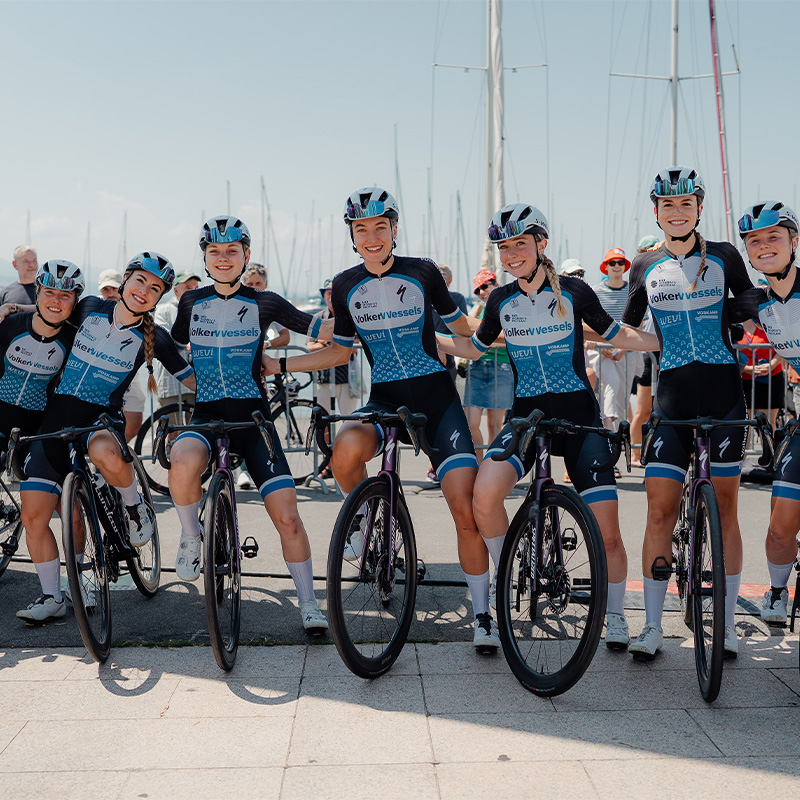
VolkerWessels in the Tour de France Femmes 2026
21 August 2026
The women's team of Volkerwessels Cycling Team stood at the start of the Tour de France Femmes for the second time this year. We support their team with cycling glasses, which were not an unnecessary luxury during this sunny and hot edition. Despite the difficult conditions, they put in strong performances and we wanted to know what was needed for this, and what preparation preceded it. Marieke van Wanroij, responsible for Coaching and Development within the team, spoke to us.
This is the second year that you are starting the Tour de France Femmes with the team. Because of last year's experience, did you start with a different feeling? Can you tell us something about that?
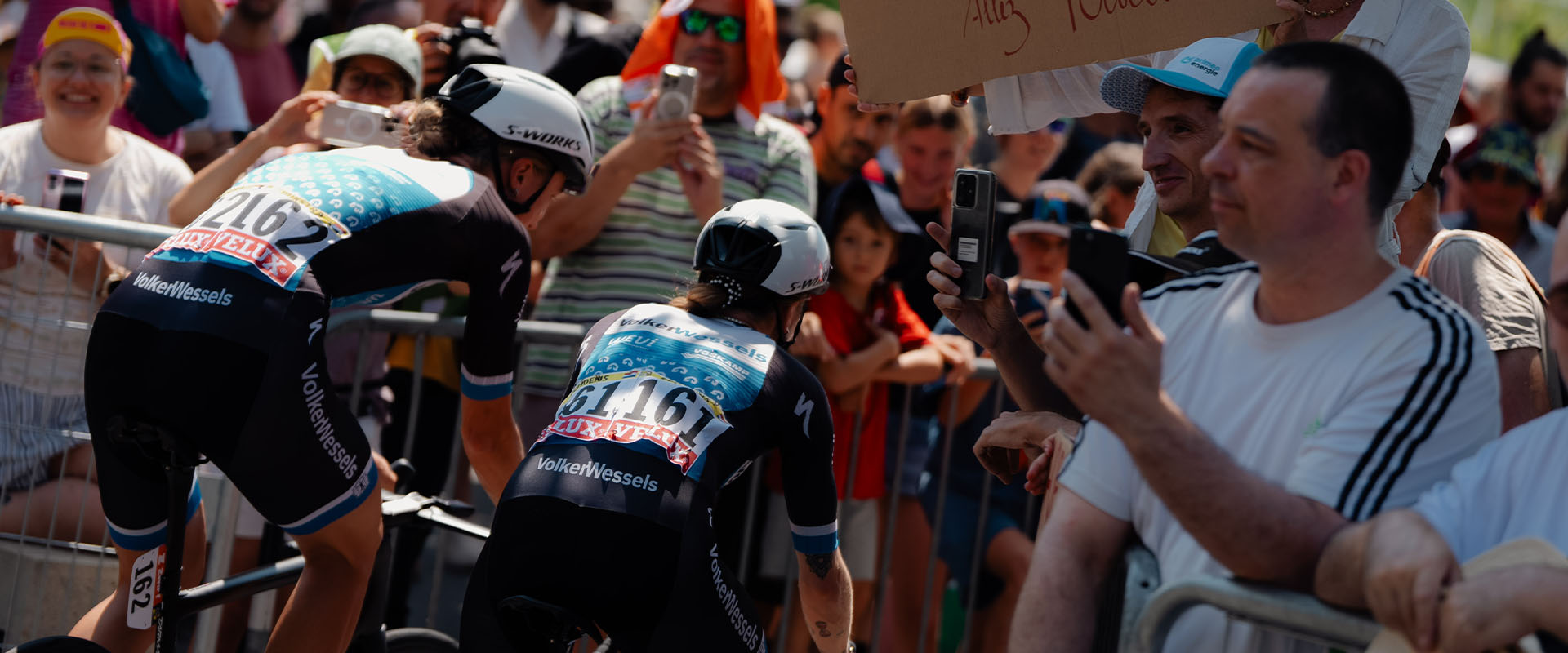
Last year we rode a strong Tour de France Femmes. We were regularly able to show ourselves in breakaways and eventually finished in the top ten four times. That gave confidence, but we also knew beforehand that the 2026 edition would be extremely tough, with many more meters of altitude compared to last year. As a result, it was difficult to match the same results, but we wanted to go for it fully every day.
How does your preparation for the Tour differ from a 'normal' multi-day race on the cycling calendar?
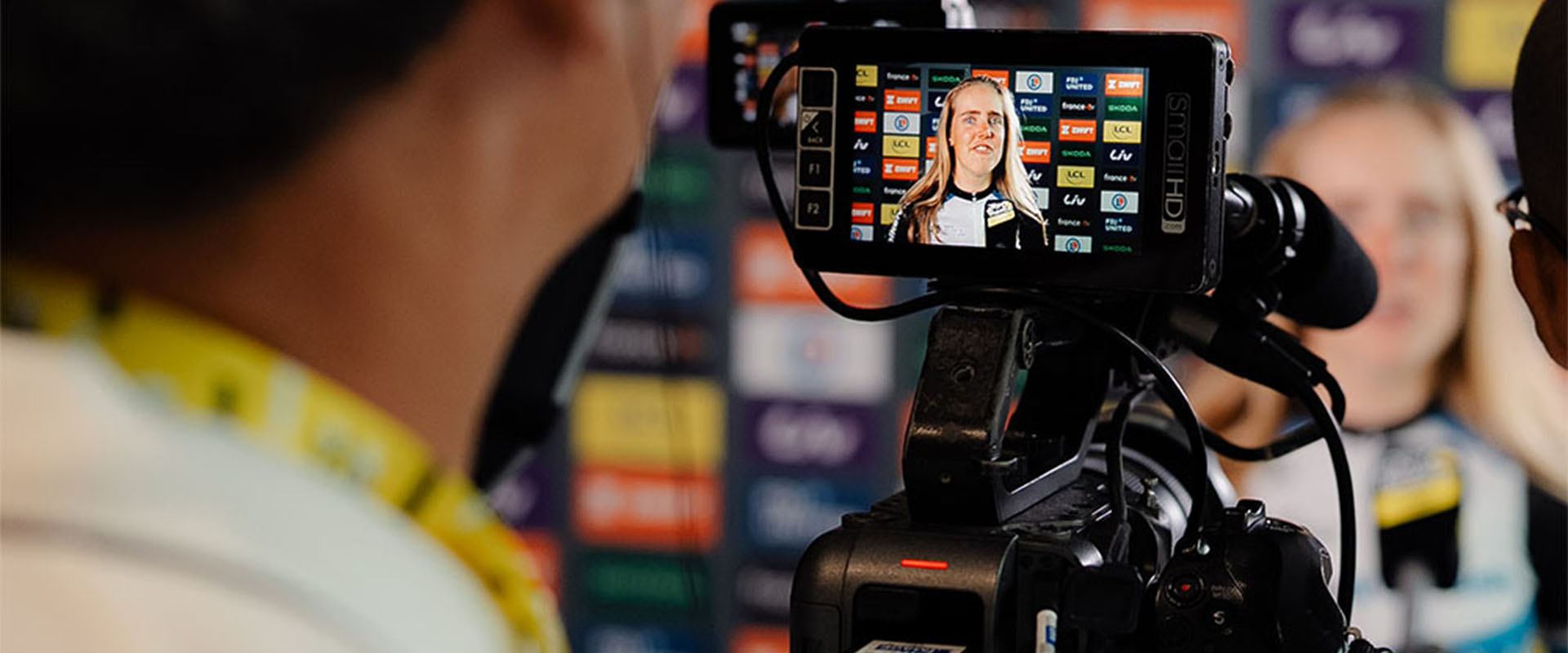
The basis of our preparation is the same as in any multi-day race: having riders and staff as well-prepared as possible at the start. At the Tour, due to the length, media attention, the course, and extreme conditions, extra accents are added. With the Tour selection, we therefore focused on specific themes such as altitude, nutrition, recovery, and cooling. It was also important that riders and staff became well attuned to each other so that everyone knew exactly what was needed during such an intensive round.
A grand tour asks a lot not only of the riders, but also of the traveling staff. How do you keep the mood good when you spend so much time together for nine days of racing in a row?
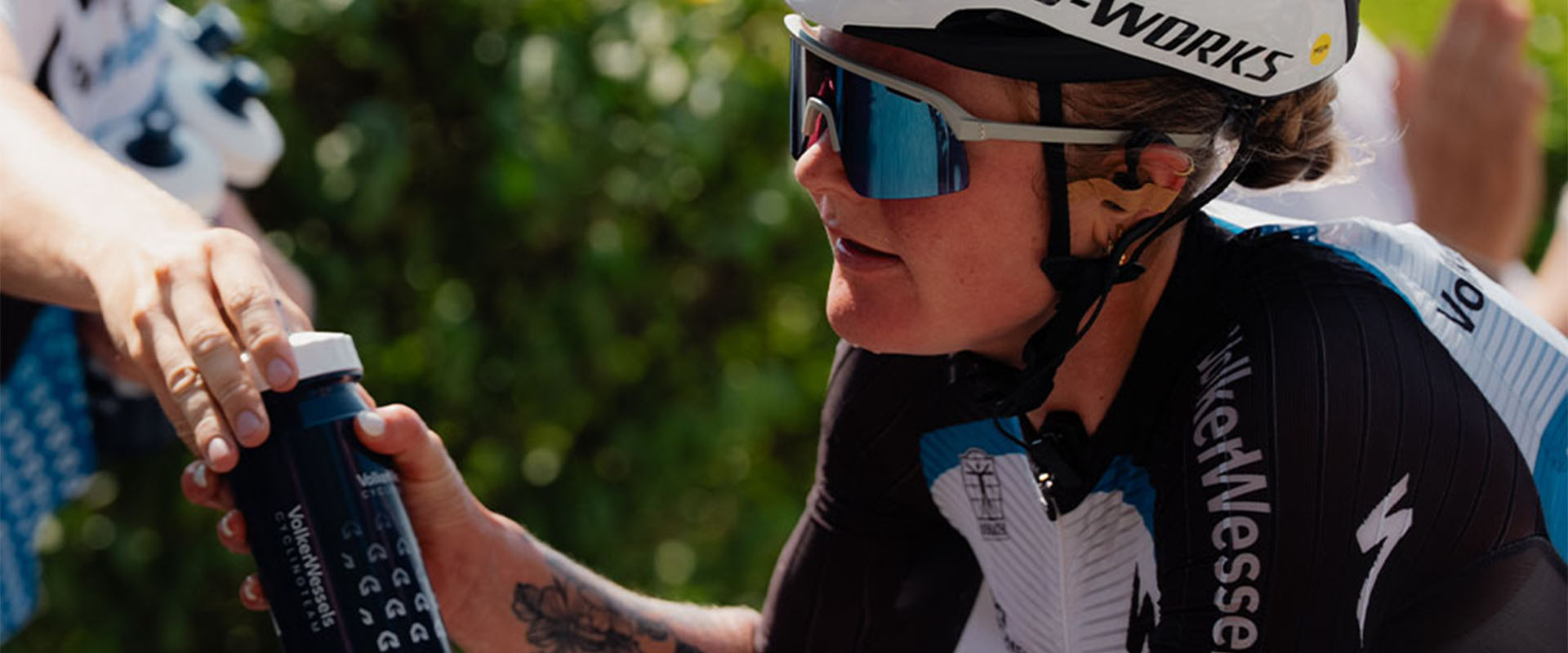
Because the Tour is much larger than other races, we also traveled with a larger staff. In total, we had seventeen staff members, including a sports doctor, physio, mental coach, and chef, in addition to the team directors, soigneurs, mechanics, and the content team. Precisely because everyone had a clear role, the cooperation remained good. Long days are part of it, but with short lines, mutual humor, and a shared goal, you keep the mood positive.
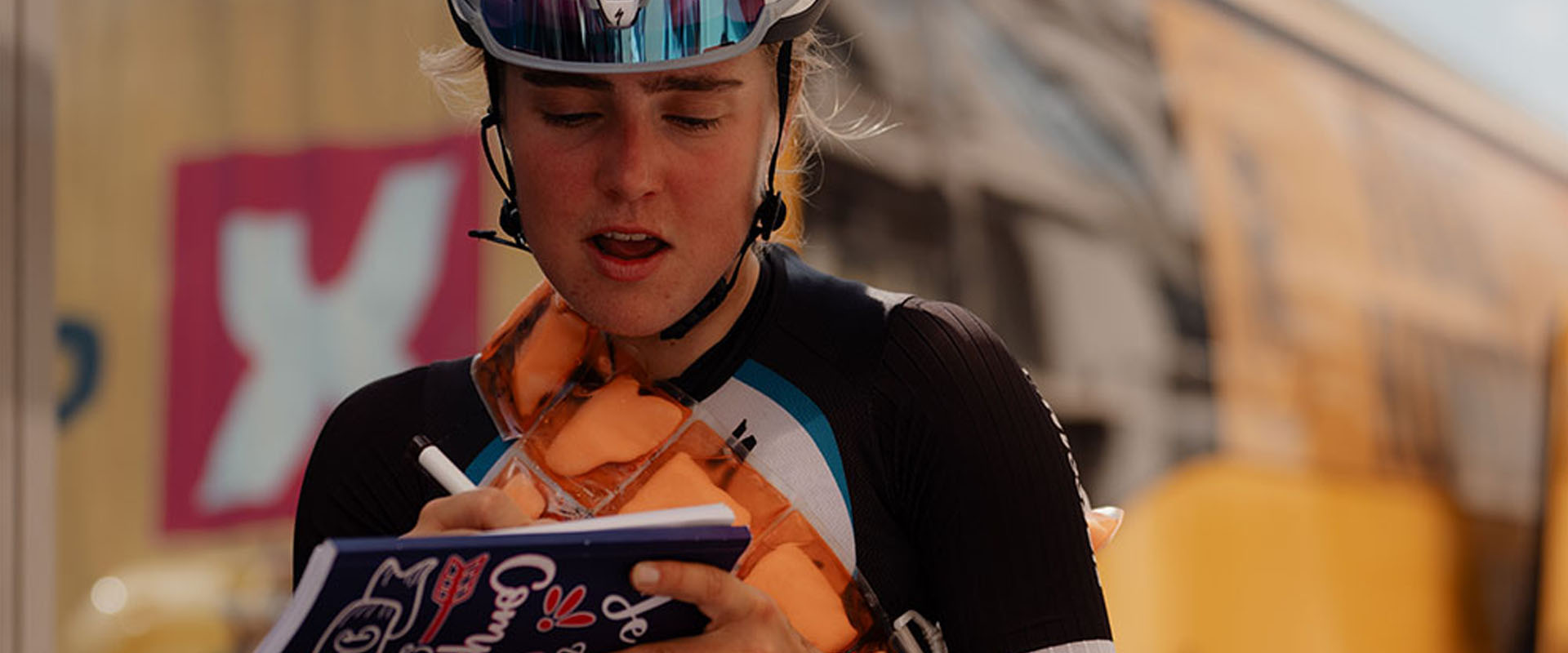
What were the biggest logistical challenges behind the scenes for the team in terms of nutrition, cooling, and the daily moves between hotels? How many kilos of ice were used?
The heat was one of the biggest challenges during the Tour. We needed about 20 to 40 kilograms of ice per day, among other things to make ice socks and keep the bottles nice and cold.
In addition, logistical planning was a puzzle every day. We wanted to get soigneurs in as many places as possible along the course, but in the mountains, an alternative route often means a lot of driving. As a result, it was always a challenge for soigneurs and other staff members to be at their care points and back at the finish in time.
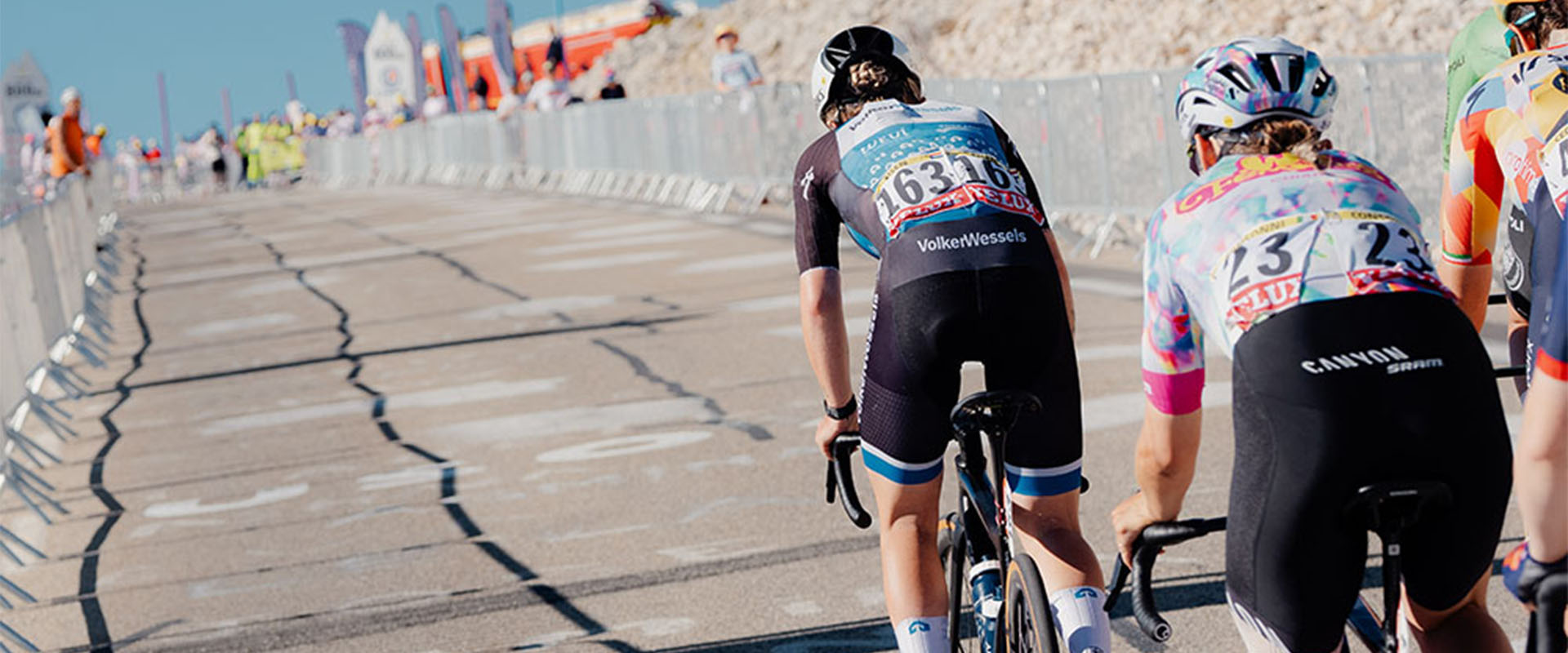
Which stage did you enjoy the most? Think of the stage in which you were able to execute your plans well, or with the result you are most proud of.
Stage 7 to the Mont Ventoux was one we were really looking forward to in advance, but which also involved a lot of teamwork. It was not just about the climb itself, but especially about getting Quinty Schoens as economically as possible to the foot of the Mont Ventoux. The other riders played an important role in this. They helped her with positioning, picked up bottles and ice at the right moments, and ensured that she wasted as little energy as possible along the way. Eventually, Quinty rode to an impressive 22nd place. That made it a stage for us that we as a team could be proud of.
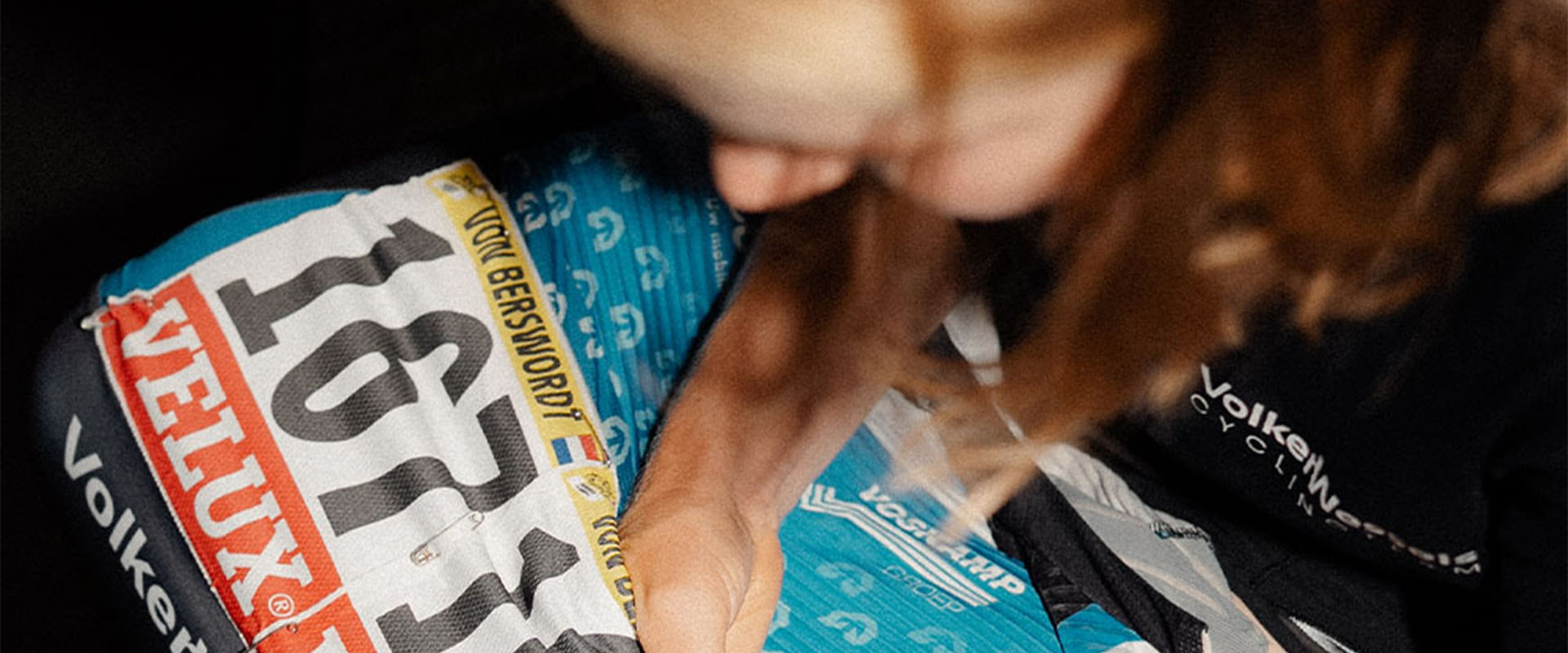
How do you prepare as a team physically and tactically for one of the toughest stages of this tour?
Preparation for this starts long before the race day itself. During the stage it is all about staying physically as fresh as possible, recovering well in between, and planning nutrition strictly. Tactically, you look at where you can save energy, where you need to be alert, and how to start the climb well-positioned. After that, it is important that the riders continue to ride their own pace and do not go over their limit too early.
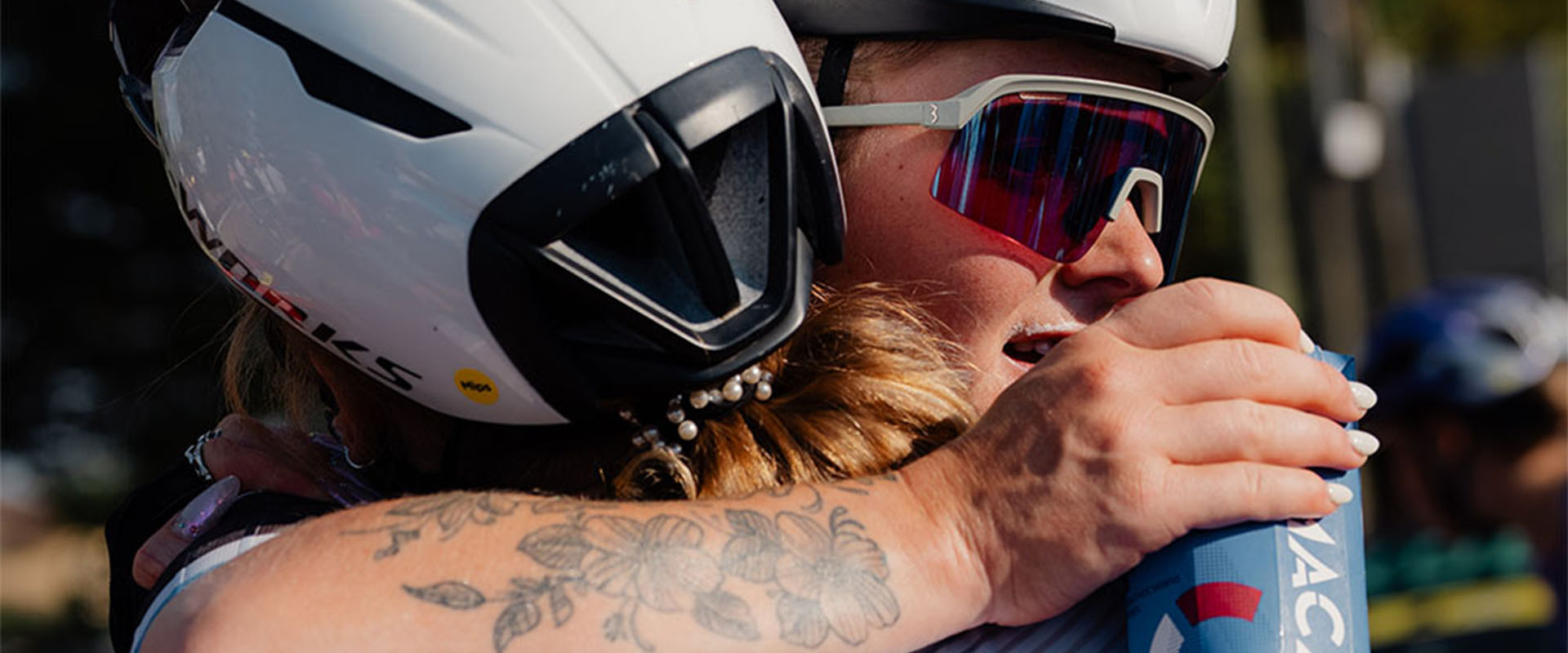
The media often focus on the battle for the yellow jersey, but in the final stage with four climbs of the Col d'Èze, you delivered a battle against the time limit. How did you experience that?
That might have been less visible to the general public, but for us, it felt like a real battle. In such a final stage, it is no longer just about attacking or classifications, but especially about getting through the difficult moments together. That meant that the riders had to keep calculating, keep eating, and above all, keep believing that they could finish within the time. That gave a lot of tension, but also a lot of respect for how everyone eventually fought their way towards the finish.
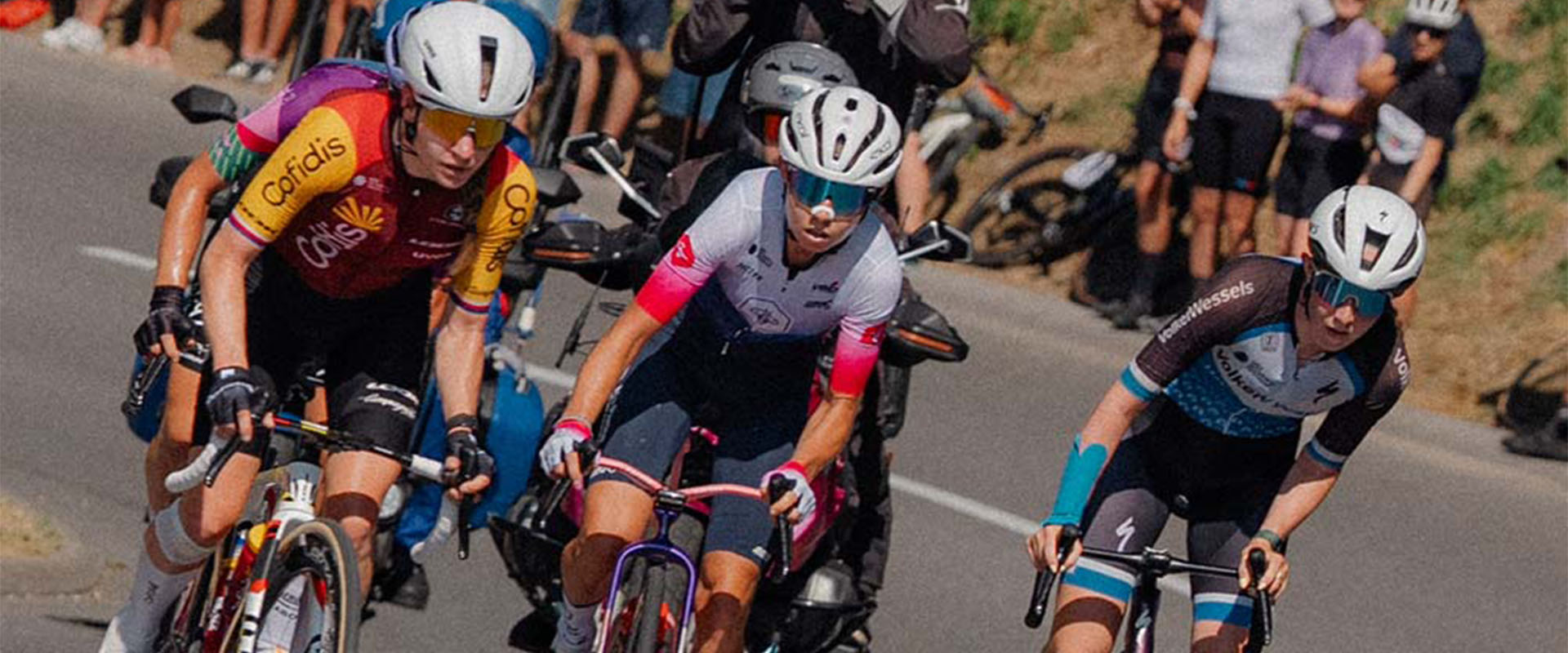
You were regularly visible in early breakaways, such as in stage two. Was visibility an important goal for the team beforehand? With what other goals did you start?
Visibility was certainly a goal. We wanted to race, seize opportunities, and work well together as a team. We also wanted our young riders to gain experience in a race of this size. Although there were fewer early flights this year than hoped, we made the best use of the moments that were there.
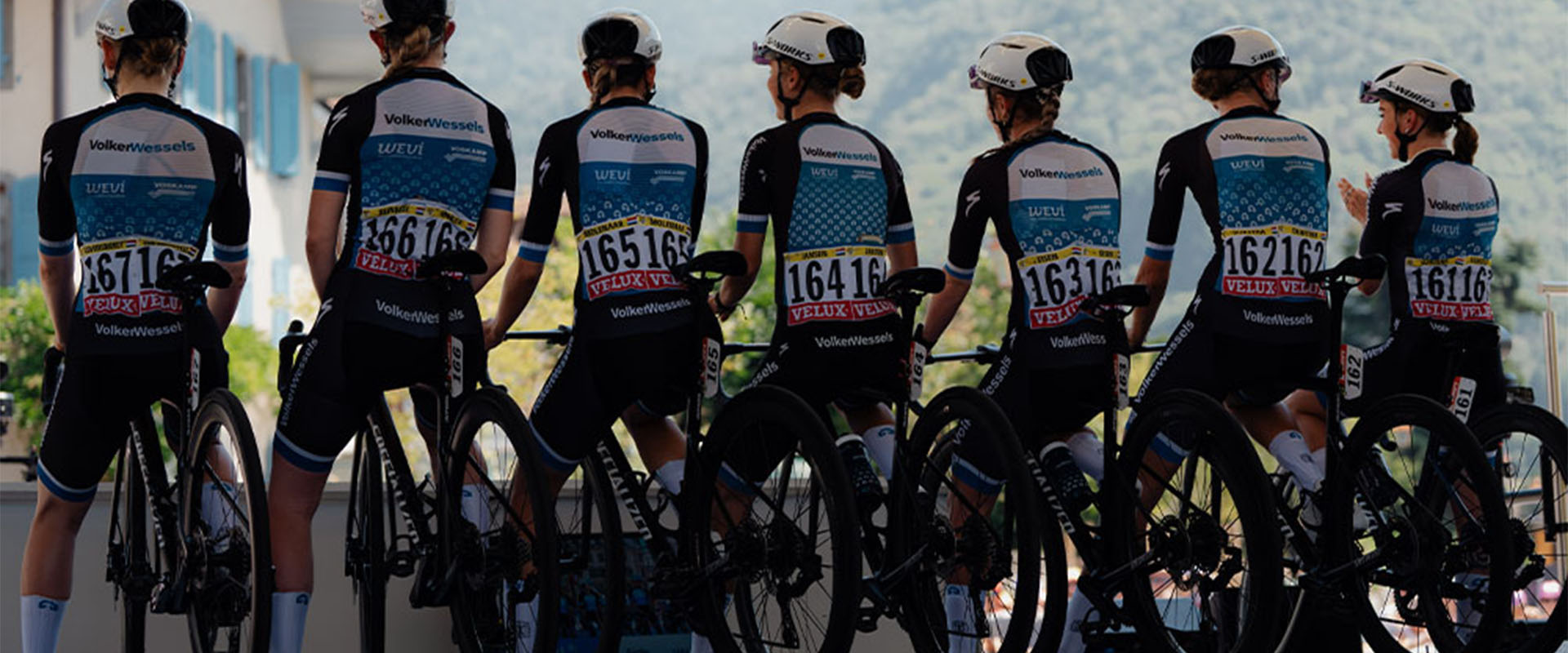
What do your results during this tour mean for the ambitions of the VolkerWessels for next year's Tour?
This Tour shows that we are continuing to take steps as a team, and that motivates us enormously. We have learned a lot again about what it takes to participate at this level regarding both results and preparation. Towards next year, we want to build on this: being visible in the race again, becoming stronger in the difficult stages, and grabbing opportunities when the race situation demands it.